



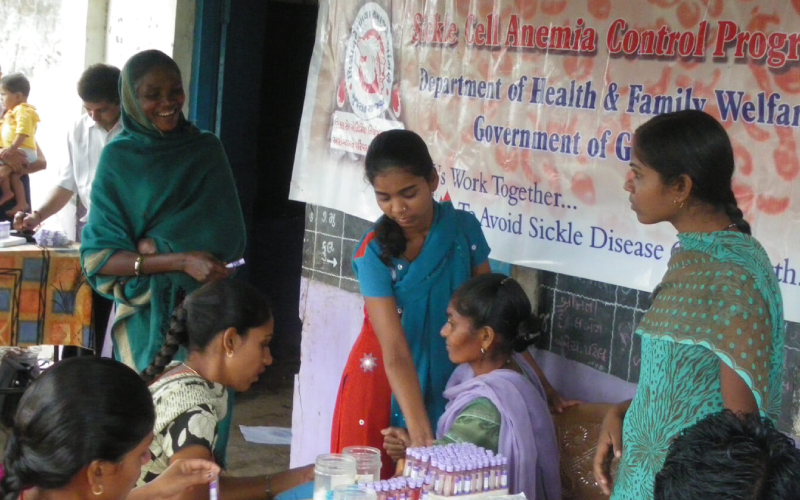
Gujarat’s first Sickle Cell Anemia patient was diagnosed at Valsad in 1978.
It was also observed that this hereditary abnormal gene is mainly found amongst underprivileged, poor, and uneducated tribal people, who will never go to any laboratory for their blood test on their own, by spending their own money, for Sickle Cell Anemia (Sickling) test. Hence they will remain un-diagnosed and will be wrongly treated by physicians. So the government or any charitable / philanthropic organization should take up this responsibility for free testing by going to the doorstep of these common men.
Under the Sickle Cell Anemia Control Program, following centers have been created by Valsad Raktdan Kendra, where all services are available under one roof like diagnosis for Sickle Cell Anemia, marriage counseling, counseling of diseased patients, routine follow up and high end management of Sickle cell crisis and chronic complications.
Hematological Research Projects
- Jai Vigyan project – Phase II
- Establishment of molecular diagnosis for hemoglobinopathies and prenatal testing for Thalassemia and Sickle cell disease at regional centers.
- Key outcomes include mutation characterization, CVS/DNA-based PND, second-trimester fetal blood diagnosis and quality control across centers
- Indo–US collaborative project – Newborn screening (South Gujarat)
- Pilot study to establish high-throughput newborn screening, follow-up systems, and standardized clinical care for hemoglobinopathies.
- Work done so far, pilot study of newborn screening for hemoglobinopathies in South Gujarat, India. (2009 – 2012)
- Newborn screening in tribal populations and natural history of SCD
- Five-year follow-up cohort of 100 SCD newborns to study natural disease progression and explore telemedicine-based interventions.
- Universal antenatal and newborn screening for hemoglobinopathies (Valsad & Navsari)
- A 100% voluntary CSR-supported initiative aligned with India’s mission to eliminate SCD by 2047. Includes HPLC-based antenatal screening, partner testing, high-risk couple identification, free PNDT services, genetic counseling, and early newborn diagnosis.


Advanced Testing and Safety Technologies
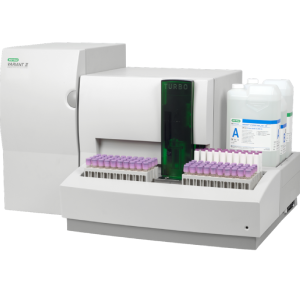
HPLC for Adults
- Equipped with High-Performance Liquid Chromatography (HPLC) – BioRad Variant II for accurate adult hemoglobinopathy testing.
- Ensures precise identification of hemoglobin variants for effective diagnosis and treatment planning.
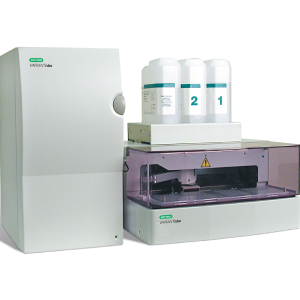
HPLC for newborns
- Specialized newborn HPLC system (High-Performance Liquid Chromatography – BioRad Variant nbs) designed to process very small heel-prick blood samples.
- Enables early and accurate detection of hemoglobinopathies from birth.
- Facilitates timely medical intervention, improving long-term health outcomes.
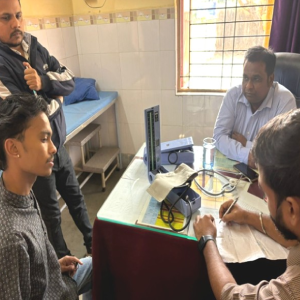
Counseling and Treatment Facilities
- Dedicated centers established under the Sickle Cell Anemia Control Program by Valsad Raktdan Kendra.
- Comprehensive services under one roof, ensuring convenience and continuity of care.
- Accurate diagnosis of Sickle Cell Anemia and hemoglobin disorders.
- Pre-marital and genetic counseling to prevent disease transmission.
- Regular counseling and support for diagnosed patients and their families.
- Routine follow-up services to monitor patient health and disease progression.
- Advanced management of sickle cell crises and chronic complications.
- All services under the Comprehensive Sickle Cell Clinic are free of cost for tribal and rural beneficiaries.
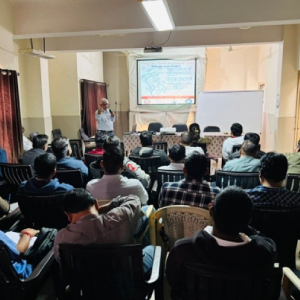
Training Initiatives
- Conducted comprehensive training programs for laboratory technicians and field staff across Valsad and Navsari districts to ensure accurate and standardized newborn screening sample collection.
- Strengthened the skills of Sickle Cell Counselors through focused training on community awareness, patient counseling, early identification of complications, and follow-up care for SCD patients.
- Regular refresher sessions organized to maintain quality, improve field practices, and ensure consistent service delivery in tribal and rural areas.
- Training modules emphasize best practices, documentation, patient communication, and adherence to national screening and care guidelines.